

How to Curate an Exhibition
- Viviane Quan
- Apr 22
- 2 min read

Origins of curation and museum collections
German Painting and Sculpture, 1931

A cabinet a curiosities were encyclopedic collections of objects whose categorical boundaries were, in Renaissance Europe, yet to be defined.

The choice/collection of objects of art built and displayed carefully with logical agency into the museum and gallery space is akin to building a cabinet of curiosities, which displays a huge and wide range of different objects which have some commonality, which might be or might not be visible at first sight.
Finding the right artists and works - Breaking with tradition or Modernity in the arts

Les Demoiselles d'Avignon by Picasso shows a significant demarcation from the previous nudes and works by more traditional artists. The females are represented in almost angular shapes and the color palette used is bright and non-conventional, with often clashing colors.
To curate a modern exhibition, one would need to identify a "modern" painting, one that broke with rules at that time. It would necessitate an eye that could catch and see that the painting by Picasso was one that would be pioneering in the next phase of his life, that would be Cubism.
What a curator needs to do for an exhibition
Curator's role and tasks :
Paid a fee for their work
Rarely oversee acquisitions
On top of administrative aspects of projects
Research works of art in different museums and cultural institutions and writing about these works of art
Shipping, framing, budgeting, installation, fundraising
Support from grants, sponsorships, curator residencies
Publicizing and marketing their projects
Write brochures, link with museum curators
How to write a Curatorial Proposal:
Curatorial statement : open with strong clear sentences and avoid art jargons or buzz words
Description of artists and artworks : write each artist’s works, write about specific work, how does it relate to theme of exhibition, relation to other works
Exhibition plan : visualize the artworks in the space, sketch rough layout
Checklist of works to be included : images bright, clear, the stronger the images to stronger the proposals
Resume/CV of curatorial or art-related work
Public programming ideas
Fundraising strategies : private donor, public organisms, grants, artist residencies, etc...
Scenography drawn by me -
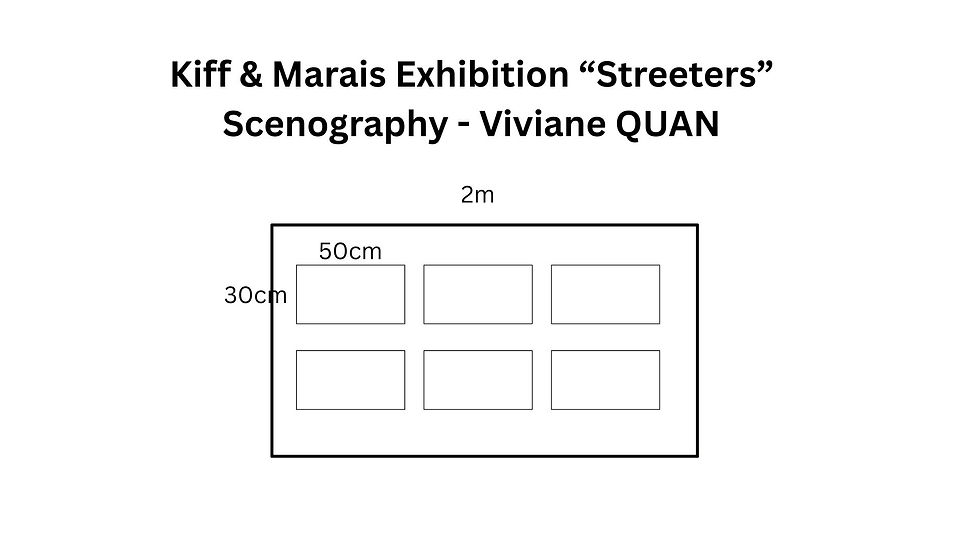
Exhibition plan

My own list of proposed artists and their artworks for an imagined exhibition :


Comments